Star-less Skies:
Data Displays the Effects a Bright Night Has on Health and Ecosystems
Data Journalism
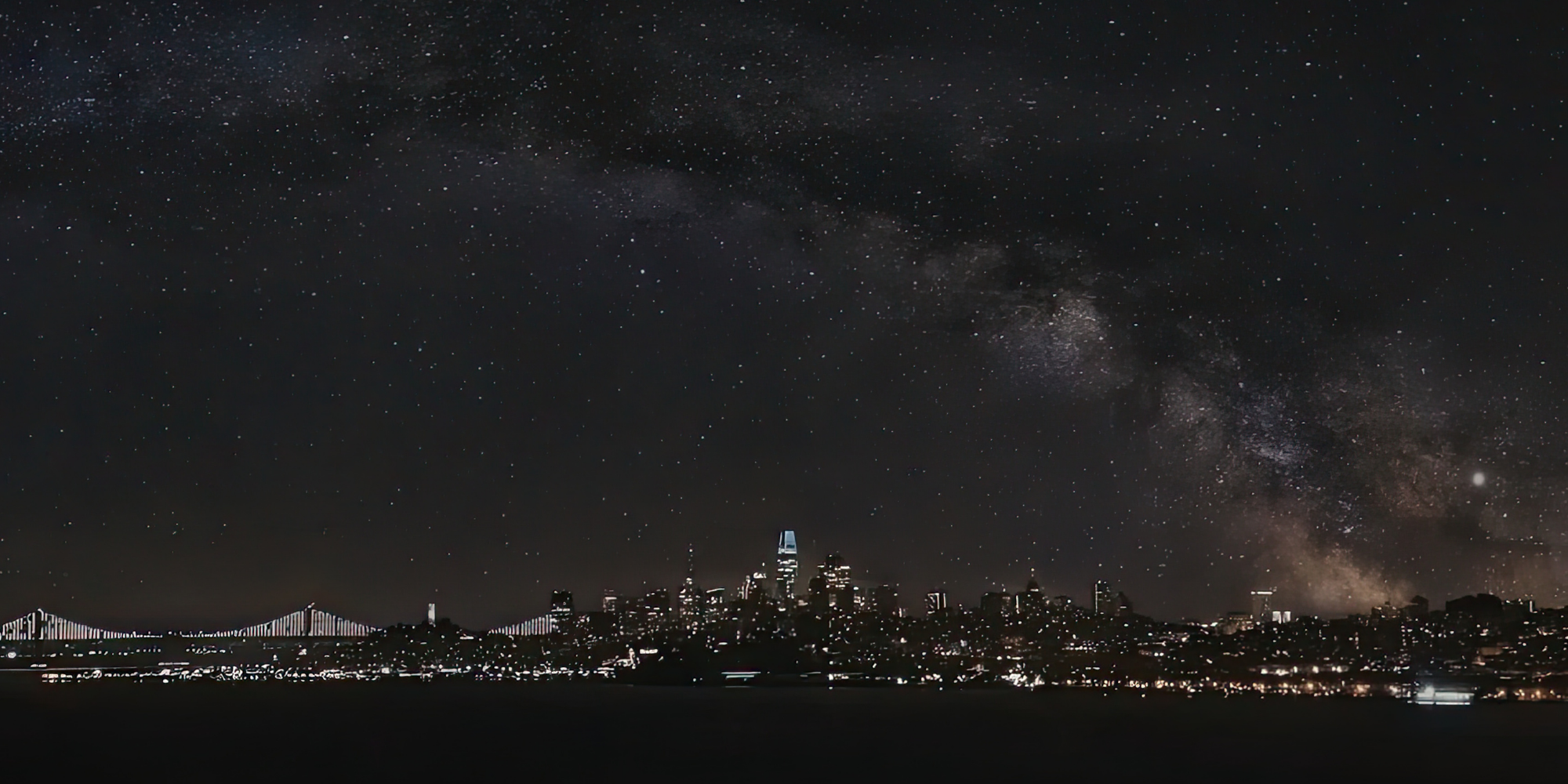
Our view of the galaxy is quickly fading. Less than one hundred years ago, nearly the entire globe could see the night sky; now, less than 20% of the world’s population can see the stars.
What is Light Pollution?
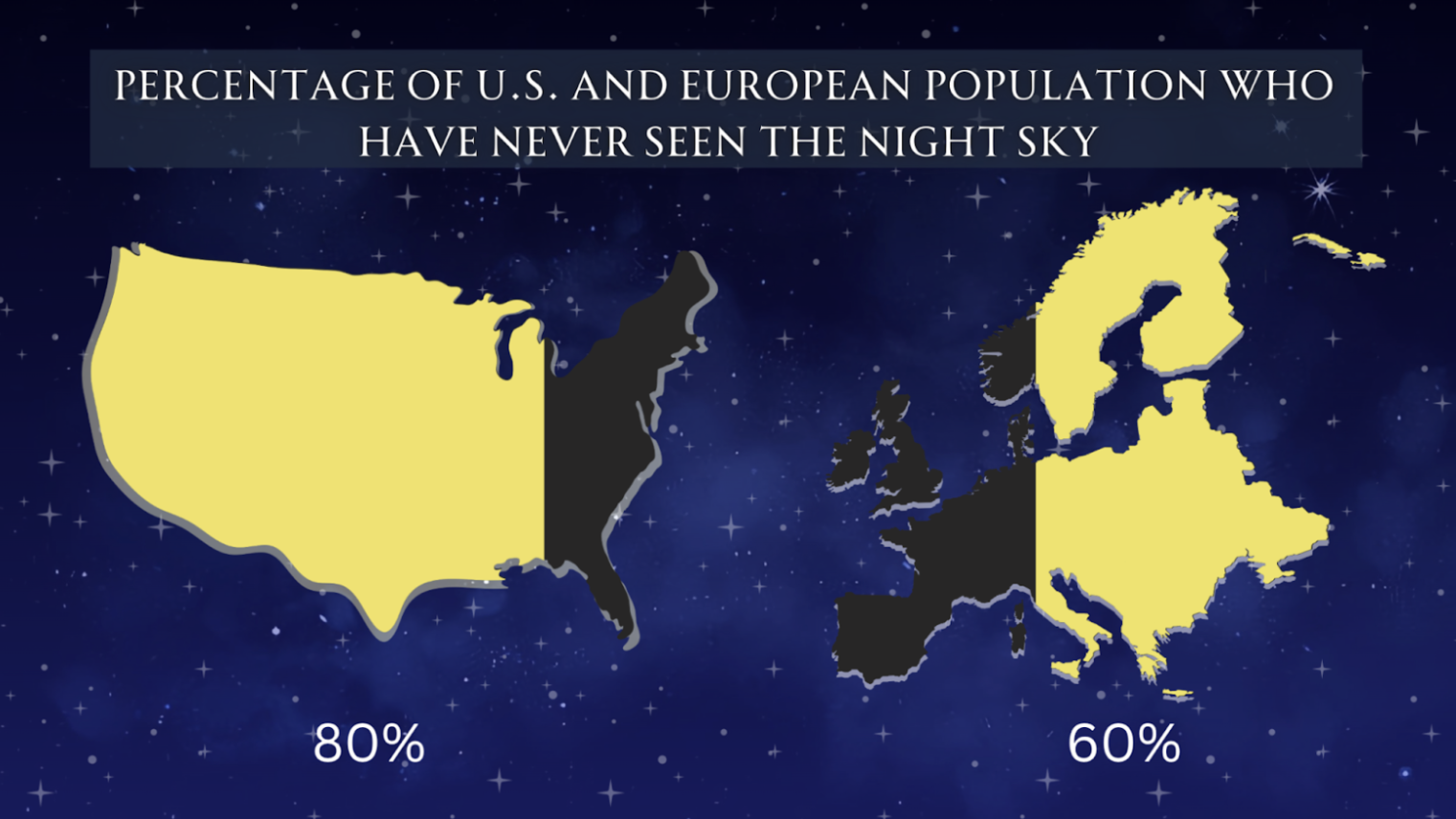
Light pollution describes the excessive presence of artificial light in a given area. Metropolitan cities worldwide, such as Hong Kong, San Francisco, and Moscow, have witnessed a rapid rise in light pollution over the past few decades due to increased urbanization. With this expansion of industrialization, studies show the night sky is becoming 10% brighter per year, meaning fewer and fewer people are able to see starry skies from their windows. A recent study from ScienceAdvances shows that 60% of Europeans and 80% of Americans have never seen the authentic night sky at all. In 1994, Los Angeles experienced an earthquake that left residents without power for roughly three days. During that time, local emergency centers received numerous reports from concerned citizens regarding a “giant, silvery cloud” in the night sky; this was their first time seeing the Milky Way galaxy unobstructed by city lights.
The Physical and Mental Health Risks of a Blank Sky
With the looming presence of light pollution affecting the six major continents, researchers have wondered what effects a bright night may have on the health of the general population, and the answer was worse than they feared. People residing in larger cities face several increased mental and physical health risks compared to those living in rural areas due to the magnitude of light pollution within the region. Residents are more likely to develop sleep disorders, depression, obesity, diabetes, heart disease, and cancer. Artificial light also affects the natural circadian rhythm of humans and, with it, melatonin production. This disruption introduces a slew of other health risks, including neurological diseases and an increased rate of car wrecks.
Alarmingly, the topic of light pollution is relatively in its infancy, and researchers are still working to determine the exact statistics regarding the adverse risks city residents experience compared to rural residents. While most forms of pollution, such as air, water, and land, have been studied since the 18th or 19th centuries, light pollution has only just been recognized as a global epidemic, with most concerns emerging in the 1970s. Although the numbers surrounding the topic are still in their most rudimentary stages of development and analysis, scientists have soundly determined that the correlation between excess amounts of artificial lighting and increased risk of mental and physical health issues, including cardiovascular diseases and Alzheimer's, is undeniably present.
Ecosystemic Consequences
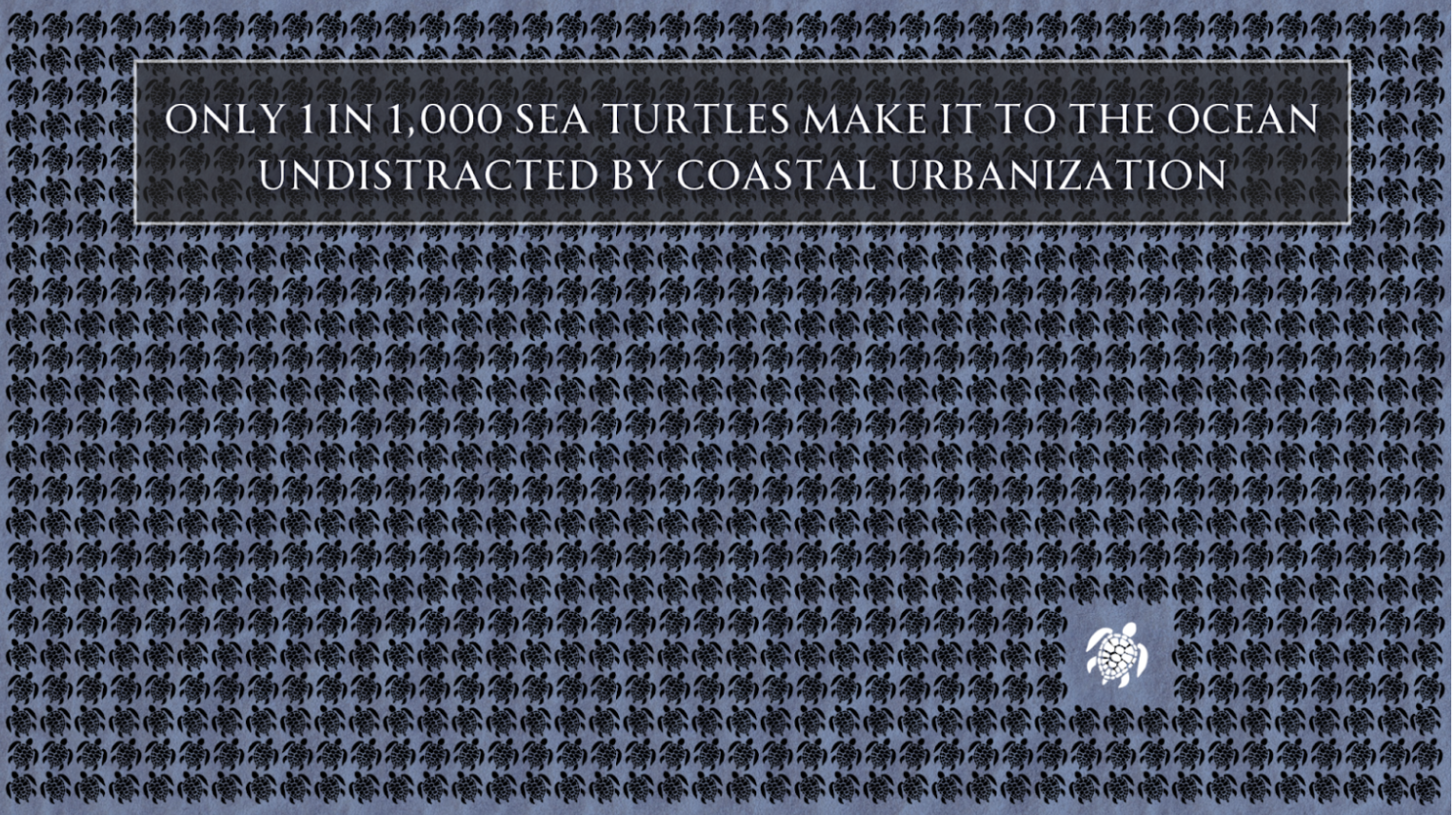
Researchers actually have an exponentially higher breadth of knowledge concerning artificial light in relation to the ecosystem rather than humans. Light pollution has a major ecosystemic influence, causing disoriented navigation, altered physiology of plants and animals, decreased rate of survival and reproduction, mistimed activities relating to feeding, disrupted circadian rhythms, and unexpected confrontations with unfamiliar predators. An immeasurable number of species, ranging from fireflies to trees to cougars, have been negatively disturbed by the artificial light brought on by industrialization. The Fatal Flight Awareness Program found that bright nights and man-made buildings disorient birds and affect their migratory flight patterns, causing anywhere between 100 million and 1 billion birds to perish from building collisions each year. Sea turtles have also faced an increased mortality rate due to the urbanization of coastal lines. Freshly hatched turtles depend on the light of the ocean to guide them toward the sea, but the increase in artificial light confuses them, drawing them to busy roads and cities. In the year 2000, almost 50% of nests were disoriented; today, 99% of overall hatchlings do not make it to the ocean.
Artificial light can also create fence-like barriers that splinter the habitats of certain animals. Several species of bats avoid illuminated areas because of the exposure brought on by the light, disrupting their ability to feed. They may also be prompted to either flee from their habitats or refuse to leave entirely, forcing them to starve to death.
Plant life is also negatively impactedby the abundance of artificial light on the planet. Similar to the bats that purposefully restrict their diet to avoid lights, several different pollinators become distracted, are repelled, or die from the inability to feed due to the unnatural brightness, resulting in lessened or halted pollen transference. The activity of many invertebrates responsible for breaking down dead organic remains is also reduced, stunting the life cycles of various kinds of vegetation. With the creatures responsible for seed distribution unable to easily access their food supply, the growth rate for native plants is diminished, and their reproduction and fruit-producing processes are disrupted.
Beyond the cities
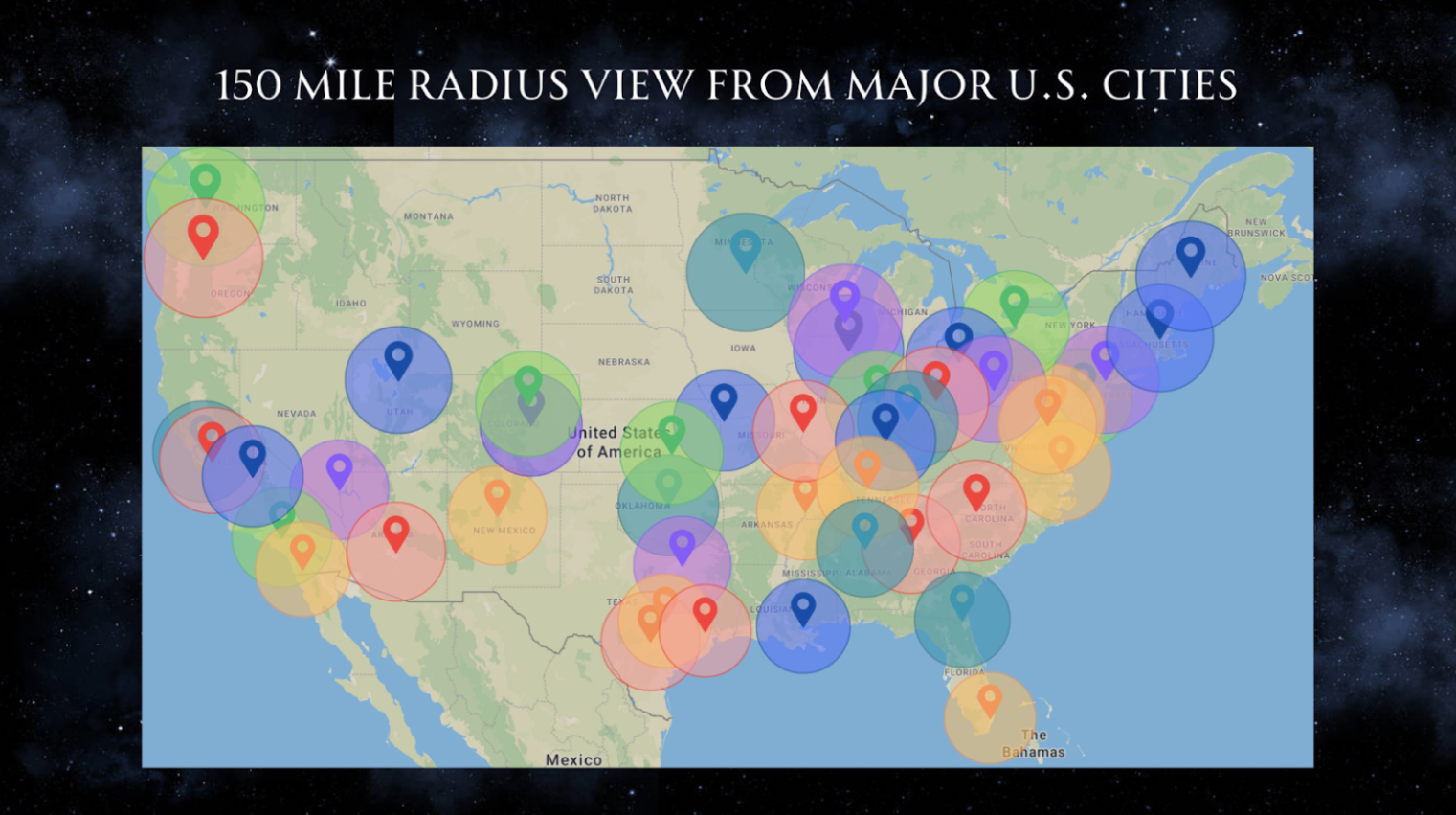
The concentrated light pollution present in metropolitan areas does not stop at city borders but rather spills out for hundreds of miles as an afterglow. This lingering artificial light continues to affect suburban areas as far as 150 miles from the city itself. While parts of the night sky may be visible, residents living in more developed suburbs will experience the residual pollution from the city, with only a couple of hundred stars being visible. And simply venturing past the 150 miles is not nearly as simple as it sounds. It is almost impossible to travel the nearly 200 miles from any major city in the United States without running into another city whose lights suffocate the night sky; similar circumstances occur in Europe, as well.
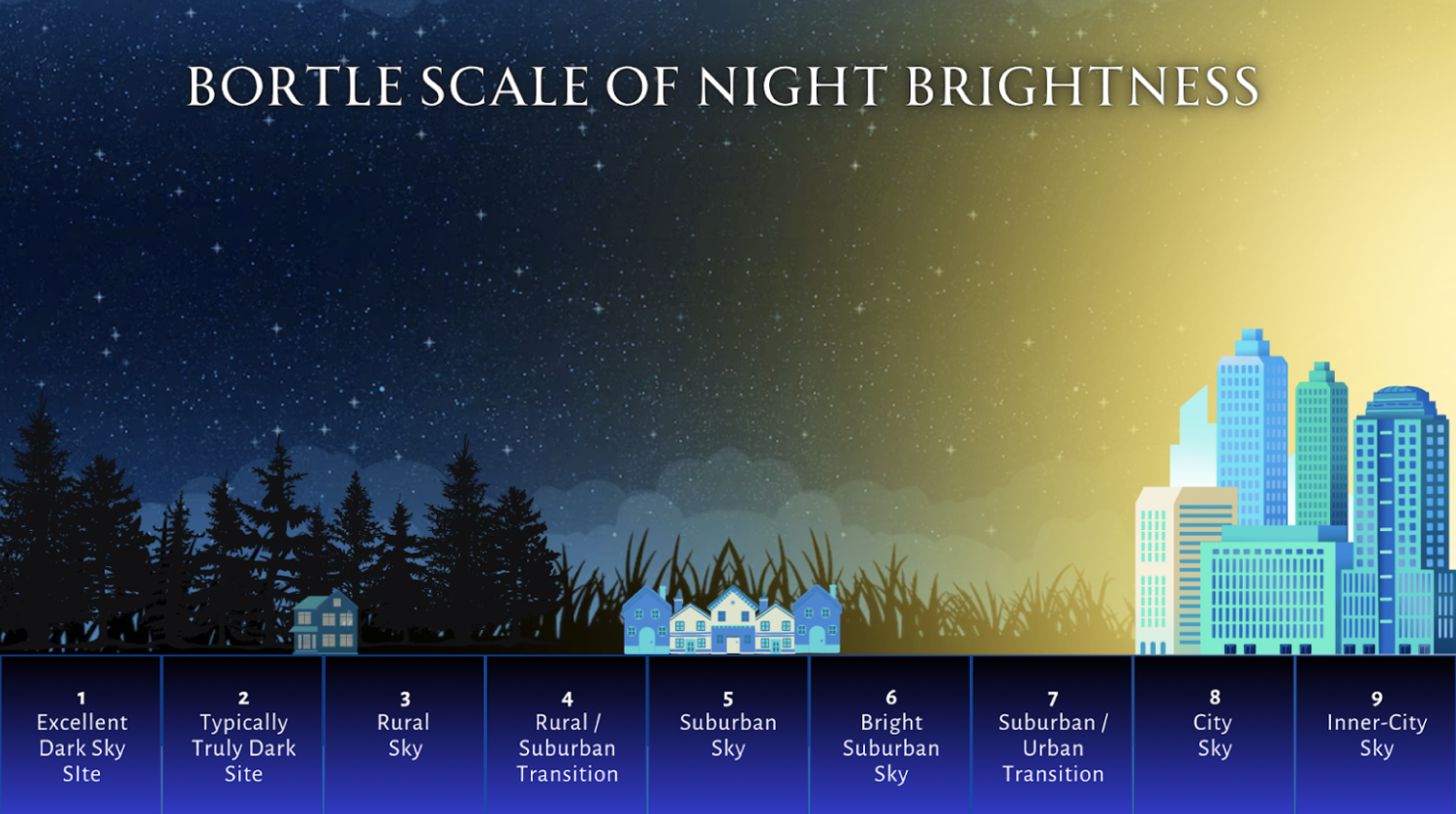
To calculate the extent of the pollution in a given area, researchers rely on the Bortle scale, a unit of measurement recording the observability of astronomical objects as obstructed by light pollution. The Bortle scale operates on a 9-point system, ranging from pure darkness to the epicenter of city light. It demonstrates that people outside of the city limits may still be affected by the afterglow, bringing about similar health and ecosystemic risks.
What can be done?
With the effects of light pollution extending far beyond the limits of the city itself, fewer organisms worldwide are able to escape its consequences. Many environmentalists and medical researchers view light pollution, an understudied topic on its own, as one of the most prominent contributors to environmental pollution, considering it to be one of the “fastest-growing and most pervasive forms” in the ecosystem. Action must be taken in order to reverse the damage it has wreaked so far.
1.) Try to avoid blue light
Blue light is one of the most harmful forms of light, as it has the broadest geographical reach. Not only is it one of the harshest lights that spills into the night sky, but it has also invaded homes through cell phones and computers. This jeopardizes eyesight and the natural circadian rhythm of humans, making way for possible issues concerning road safety, mental health, melatonin production, and neurological disorders. There are also inimical ecosystemic implications resulting from using blue light bulbs for outdoor lighting, as they may affect the behavioral and reproductive patterns of wildlife.
2.) Switch out household bulbs
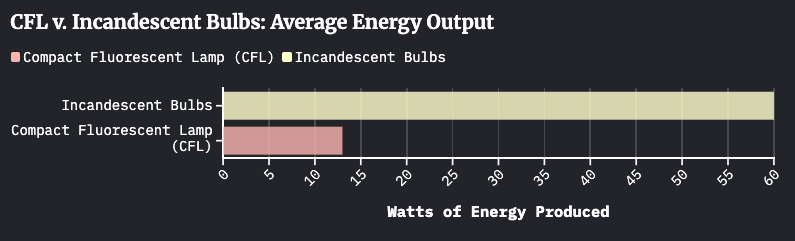
Opting for warm-colored LED or compact fluorescent lamp (CFL) bulbs instead of blue light or incandescent bulbs helps to limit and reduce the overall energy use and output produced by a single home by 75% while keeping visibility the same.
3.) Purchase dimmers and timers
Putting your light on a timer or using a dimmable bulb reduces light use and exposure. Limiting the length of time external light shines during the night reduces health and ecosystemic risks. Consider purchasing recessed and/or fully shielded fixtures, which are outdoor lighting shields that reduce glare and excessive spilling of light. This keeps the light focused on a specific area rather than leaking into the night sky.
4.) Reduce hours of in-home light
Ensure that unnecessary lights are turned off. Taking the extra step to turn off a light in a vacant room significantly helps to lessen the overall light leakage that seeps out into the night sky.
5.) Tint windows
Blocking indoor light from shining into the dark night decreases the ecosystemic risks placed upon wildlife. Homes near coastal lines could remove light that may confuse sea turtle hatchlings, and apartments in larger cities could cut back on the disorienting light that distracts migrating birds. By keeping as much ethical lighting inside as possible, the dangers light pollution poses to the outdoors will be significantly reduced.
Conclusion:
Light pollution has grown increasingly prevalent in today’s industrialized society, with over 80%of the globe affected in some way. With artificial light seeping into every growing metropolitan corner on the planet, starry skies continue to be eradicated from view. The implications on the health of humans and wildlife alike are dire, so we must do what we can to ensure we do not lose our view of the galaxy our ancestors once gazed upon.